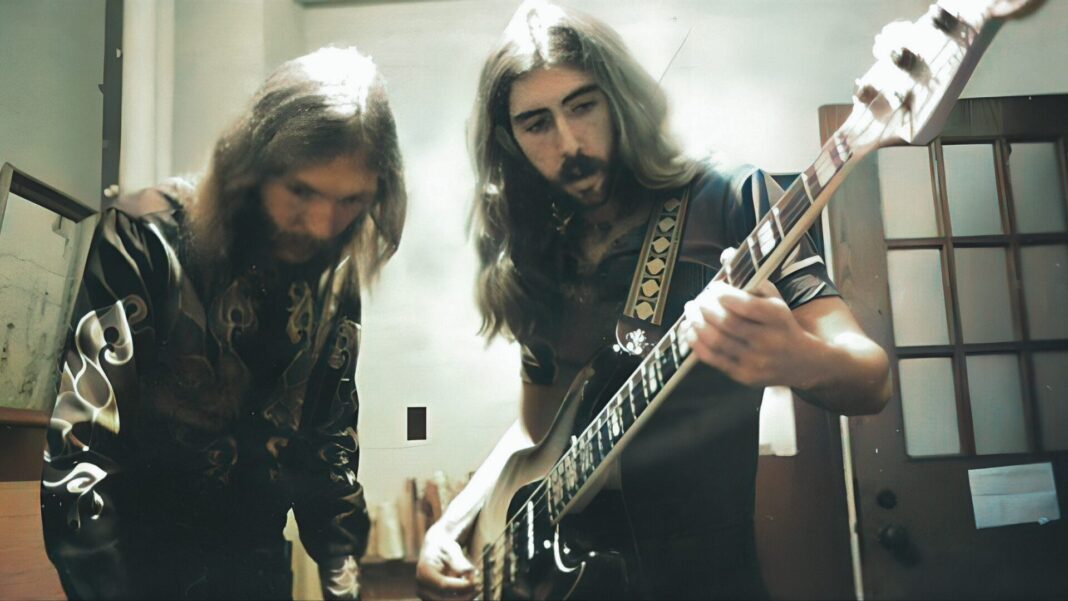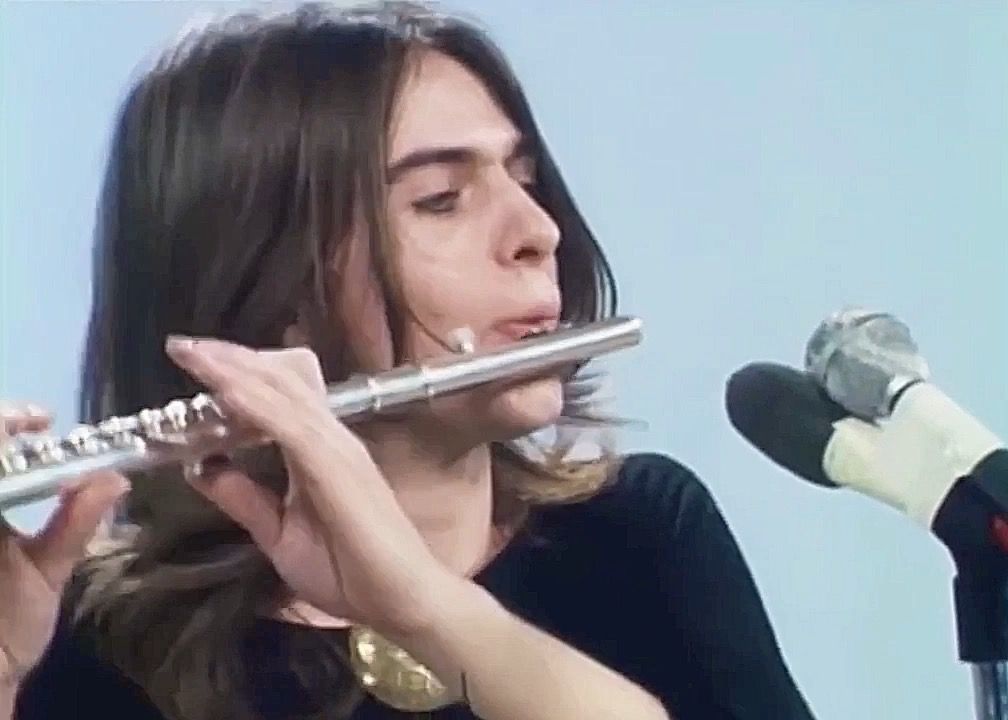


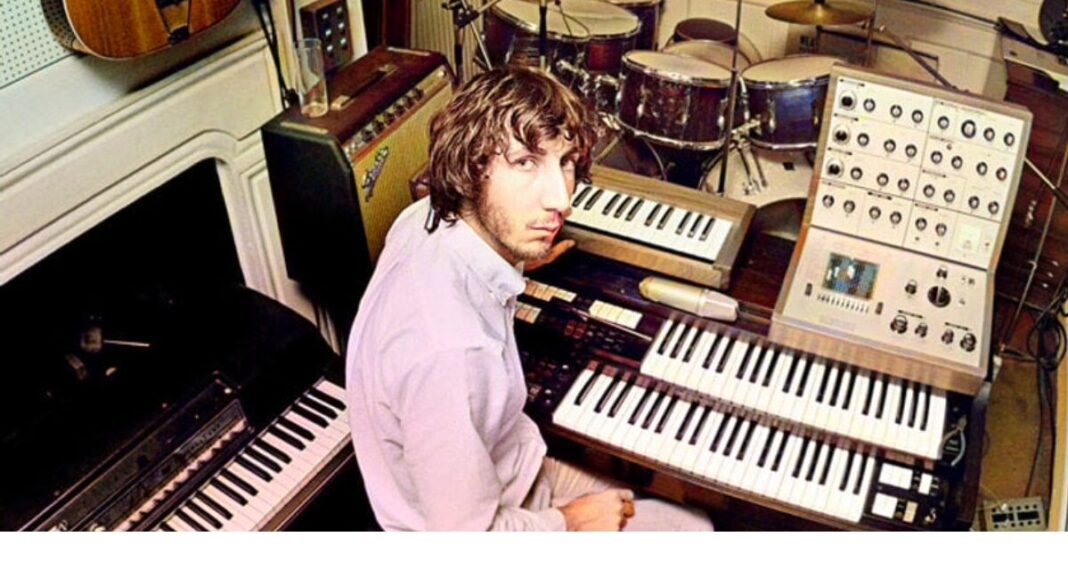
After the success of Tommy, The Who began developing their next ambitious project, Lifehouse. The idea grew out of their time on the road, where Pete noticed what was happening in the audience. One of the shows included the Isle of Wight were they played along with legendary artists like The Doors. They were sharing in a kind of collective spiritual experience, something he later described as a “congregation of consciousness.” That sense of music acting almost like a psuedo-religious force became the foundation of Lifehouse and The Who song he wrote to set the stage.
Townshend envisioned the story as a bleak, futuristic world where genuine human connection had all but disappeared. In this imagined society, people no longer experienced life directly. Instead, everything was programmed and controlled, as if existence itself had been reduced to something dare I say..artificial. Entertainment had become a kind of substitute for religion, delivered passively rather than lived.
Within that framework, he created a conflict between two opposing forces: those who controlled this artificial world, and a group of outsiders who were keeping rock and roll alive as something raw and essential. The story builds toward a confrontation between these sides.
As the narrative unfolds, a central figure emerges who begins to articulate what has been lost—describing the powerful, almost transcendent connection people once felt through rock music which is now all but dead. But as the concept expanded, it became increasingly complex, to the point where even Townshend’s bandmates struggled to fully grasp the scope of what he was trying to achieve.
The project is eventually scrapped leaving Pete Townshend devastated. In it’s place is the Who’s Next Album which rocked the world all the way up to number 1 in the UK and number 4 in the US.
The Who song Teenage Wasteland originally written for Lifehouse evolved into Baba O’Riley. Pete takes the concept and evolves it and what came out of those changes ended up being one of The Who’s most beloved songs of all time.
However, the lines like ‘Their all wasted!” and ‘It’s only teenage wasteland’ were interpreted to be about being wasted. That misconception has followed the song but it couldn’t be further from the truth. Find out the real story here.