

One of the most fascinating aspects of early Genesis is their ability to take the most unlikely source material and elevate it into something cinematic, theatrical, and completely immersive.
In the case of The Return of the Giant Hogweed, that source was surprisingly grounded in reality.
The song began with a news story that caught the attention of Peter Gabriel. It described a plant whose sap caused severe burns to children who came into contact with it—a strange and unsettling detail, but hardly the foundation for an epic narrative on its own.
Gabriel transforms this real-world incident into something far more ambitious: a full-scale conflict between nature and humanity. What starts as a bizarre, almost absurd premise becomes a pseudo-scientific apocalypse, treated with complete seriousness. The concept echoes the tone of The Day of the Triffids, where an invasive plant species evolves into a threat capable of overpowering civilization itself.
Even the title reflects this larger-than-life approach. Suggested by Steve Hackett, The Return of the Giant Hogweed borrows from the language of film sequels, giving the story a sense of scale and inevitability—as if this threat has appeared before and is now coming back with greater force.
Turning the Absurd Into Something Real
What makes the song so compelling is not just the concept, but how convincingly Genesis brings it to life in both lyrics and music muh like this Who song does.
The giant hogweed itself is no invention. Known to grow up to 15 feet tall, the plant contains a phototoxic sap that can cause severe burns, blistering, and long-term scarring when exposed to sunlight. It’s a detail that grounds the story just enough to make the exaggerated narrative feel unsettlingly plausible.
From there, the band builds outward—transforming a dangerous plant into a looming, almost unstoppable force.
Musically, the song immediately establishes a sense of urgency.
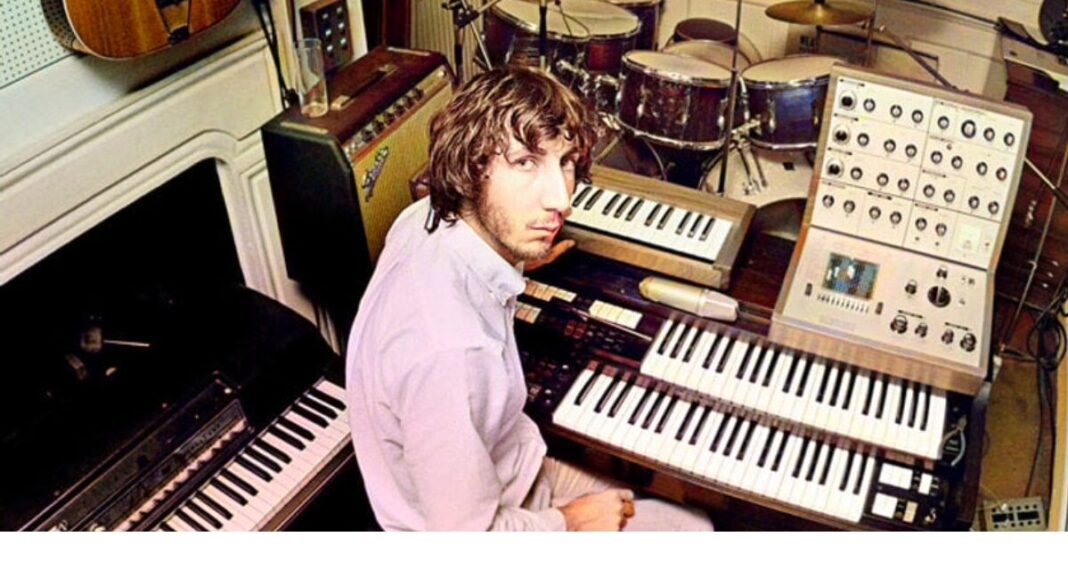
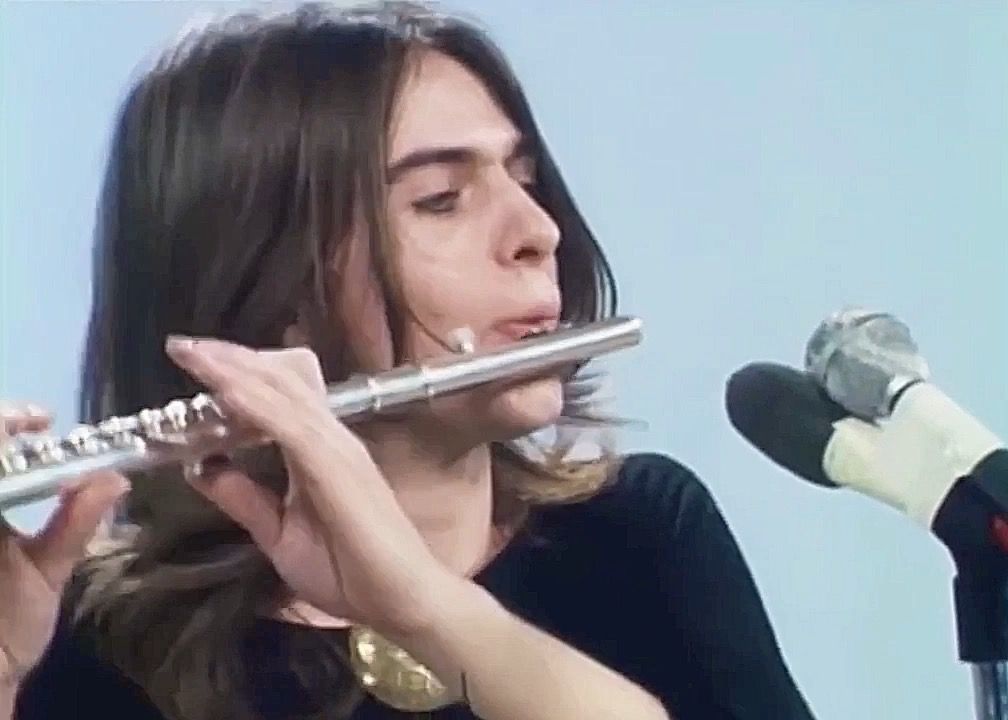
The opening is driven by a frantic intensity, with Steve Hackett employing an early tapping technique that was highly unconventional at the time. Alongside this, Tony Banks layers in ominous organ chords that feel less like accompaniment and more like a warning signal.
Together, they create an atmosphere that suggests something is already in motion—something that cannot be easily contained.
The Birth of Genesis’ Theatrical Identity
By 1972, this sense of drama had fully extended to the stage.
In live performances, Peter Gabriel begins to reveal the theatrical style that would later define Genesis. Through exaggerated gestures, shifting facial expressions, and carefully timed movements, he brings the story into the physical world.
Gabriel leans into a dramatic, almost high-camp style of horror, describing the rapid spread of the hogweed as it overtakes rivers and canals, moving steadily across the landscape. The threat is no longer isolated—it’s everywhere, and it’s growing.
What began as a strange news story has now become a full-blown apocalyptic vision. Learn More About this song here.