

The 1970s marked one of the most turbulent eras in modern American history. The Vietnam War divided the nation, the Kent State shootings shocked the public conscience, and the Watergate scandal shattered trust in government institutions. Inflation surged, layoffs increased, factory towns struggled, and fuel shortages created long lines at gas stations during the energy crisis.
By the end of the decade, America had entered what many called the “malaise era” — a period defined by uncertainty and fading optimism.
Yet while the country struggled, music entered one of its most creative periods.
Hard rock bands were filling arenas. Progressive rock pushed experimentation into new territory. Disco offered escape, glam celebrated fantasy, and punk rebelled against all of it. But amid the excess and spectacle, another sound emerged — one grounded not in fantasy but in everyday reality.
Heartland Rock arrived as the soundtrack for ordinary Americans.
What Was Heartland Rock?
As mainstream rock increasingly embraced larger-than-life personas, technical virtuosity, and theatrical excess, many listeners no longer saw themselves reflected in the music dominating radio stations.
Heartland Rock filled that gap.
The genre celebrated ordinary people — dreamers, workers, restless souls, and struggling families. Its characters felt like they had stepped out of a John Steinbeck novel: downtrodden, hopeful, and searching for something better.
While country, folk, and blues had long documented hardship and working-class life, Heartland Rock brought those themes directly into mainstream rock music.
Many artists associated with the movement were not even from the Midwest, but they shared a stripped-down style and direct storytelling approach that felt authentic to people across industrial America.
Critics eventually grouped them together under the label “Heartland Rock,” though many musicians disliked the term and considered it more of a marketing category than an artistic movement.
Regardless of the label, audiences connected with the music because it reflected realities they rarely heard discussed elsewhere.
Bruce Springsteen and the Return of the American Dream Narrative
In 1973, America was emerging from Vietnam deeply divided and emotionally exhausted. Years of protests, casualties, and televised warfare had drained much of the nation’s confidence. At the same time, that uncertainty created something else: a longing for stability, hope, and escape. During this period, Bruce Springsteen began developing what would become one of the defining songs of the decade.
Bob Seger and the Power of Nostalgia
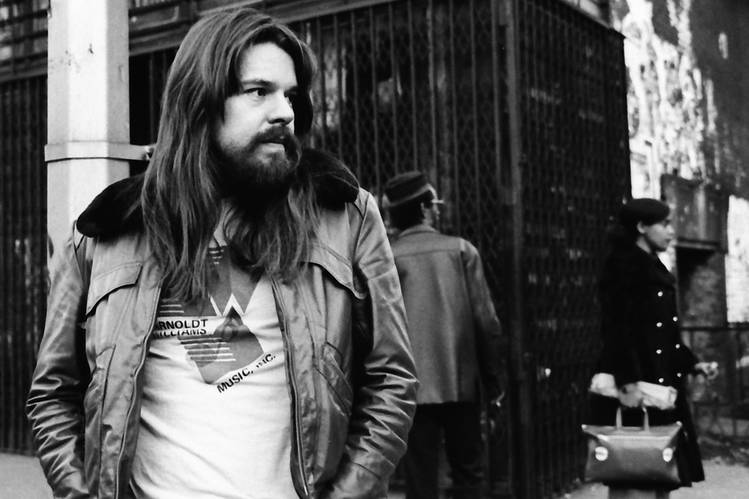
By the mid-1970s, economic pressures continued mounting. While artists such as David Bowie offered avant-garde experimentation and Elton John embraced theatrical spectacle, Bob Seger connected with audiences differently. Seger’s conversational Midwestern style gave listeners a sense of authenticity. His lyrics felt less like poetry and more like stories heard in diners, garages, and factory towns.
Tom Petty and the Restless Search for Something More
America celebrated its 200th birthday in 1976 with a wave of patriotic enthusiasm. That same period saw Tom Petty write “American Girl.” The song introduced another recurring Heartland Rock character: the restless dreamer. Its protagonist longs for something larger than the life surrounding her. She senses opportunity somewhere beyond the limits of her hometown but cannot quite reach it. That feeling resonated with countless listeners.
John Mellencamp and the Voice of the American Worker
As America entered the 1980s, hopes for renewed prosperity quickly collided with reality. Recession struck in 1980 and again in 1982. Factory layoffs devastated communities across the Midwest while unemployment climbed to post-war highs. The period became known as the Rust Belt Crisis. John Mellencamp emerged as one of Heartland Rock’s strongest voices during this period.
Why Heartland Rock Resonated With America
Manufacturing employment peaked in 1979 and would never again reach those same levels. The American economy gradually shifted away from blue-collar industry toward white-collar employment and increasing educational demands. Many workers felt powerless as their world changed around them.
Heartland Rock mattered because it gave emotional language to experiences many people struggled to express. It validated uncertainty. And perhaps most importantly, it reminded listeners they were not alone.
Find out the full story behind Heartland Rock