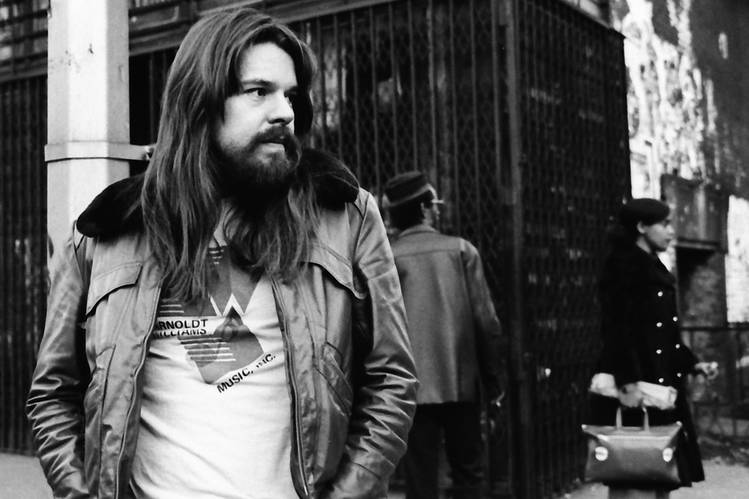


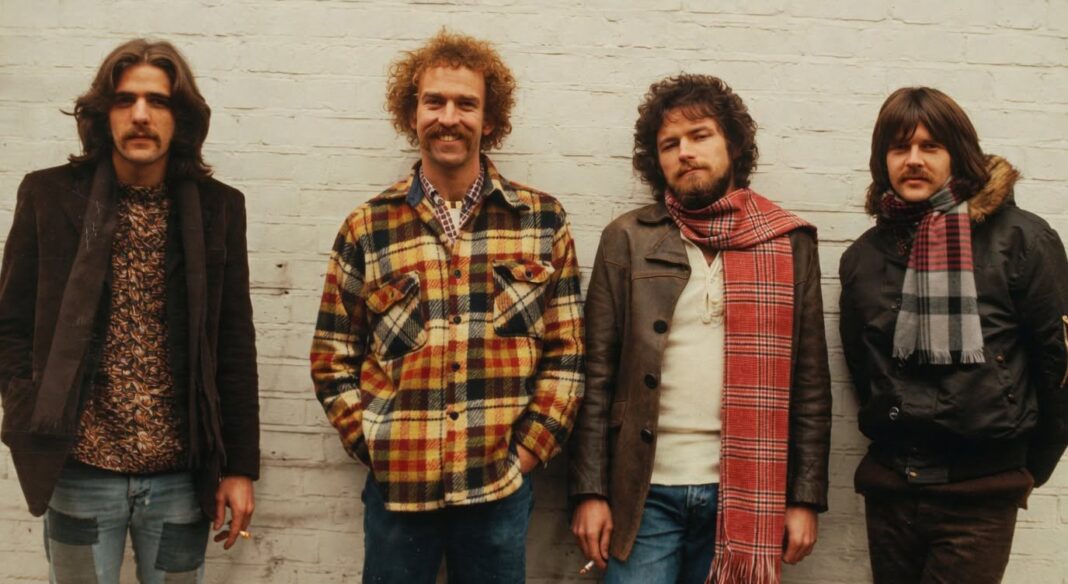
Glenn Frey’s house in Laurel Canyon had become something more than a home. By 1973, after the early success of the band’s debut album, it evolved into a gathering point for musicians, industry insiders, and a rotating cast of L.A.’s creative scene.
What started as rowdy Monday night football games quickly turned into a serious poker night. The evenings began at a legendary restaurant near the Troubadour before winding up the canyon roads, where the house itself became the destination.
Conversation shifted from laughter to tension. Music industry figures, road crew members, and friends filled every corner of the space. What emerged was a strange hybrid of social club, creative incubator, and high-stakes gambling room.
If you sat at the table, you were expected to be dead serious about the game. Because the stakes were incredibly high—thousands of dollars would change hands in a single night—the tension in the room was palpable.
The most unexpected regular at these games was a young, pre-fame comedian Steve Martin.
Steve was also a performer at the Troubadour and lived in Laurel Canyon at the time. He would open and loosen up the crowd for performers like Linda Ronstadt who he also dated momentarily. He became friends with the musicians and frequently joined in on poker nights.
A Band Between Two Versions of Themselves
The Eagles begun with a strong country-rock identity, but the musical landscape around them was shifting rapidly. They wanted something more energetic, more electric, more aligned with where they believed rock was heading.
As the band worked on material for their next album, tensions built quietly beneath the surface. Their surroundings — the parties, the poker nights, the relationships, the noise — all blurred into the creative process.
Glenn Frey recalled: “I was playing acoustic guitar one afternoon in Laurel Canyon, and I was trying to figure out a tuning that Joni Mitchell had shown me a couple of days earlier. I got lost and ended up with the guitar tuning for what would later turn out to be ‘The Best of My Love.'”
One night when Don Henley was sitting at Dan Tana’s in The Eagles favorite spot, table 4 he was struggling with the aftermath of a recent break up with then girlfriend. He sat there as the words to the song came to him.
“A lot of the lyrics were actually written in Dan Tana’s at a booth we liked to sit in, on the front side of the bar area,” Don told Cameron Crowe in an interview.
Conflict Behind the Sound
At the same time, the Eagles were wrestling with a larger question: what kind of band did they want to be?
Their producer Glyn Johns leaned toward a more traditional country-rock direction. The band, meanwhile, was drawn toward something sharper and more driving — a sound that could stand alongside the harder rock acts they had begun encountering on tour such as Jethro Tull.
This wasn’t just a stylistic disagreement. It was a battle over identity.
Find out what happened that led Don Henley to demand the song be removed from the radio.